 |
| School of Athens - Raphael |
That post title really doesn't sell it much- in short I am overwhelmed with love and jealousy for pre-Raphaelites after today's trip to the Tate Britain. Talk about jumping in the deep end! This is probably a good moment to refer to myself as a blog Rookie (in the Tavi Gevinson sense).
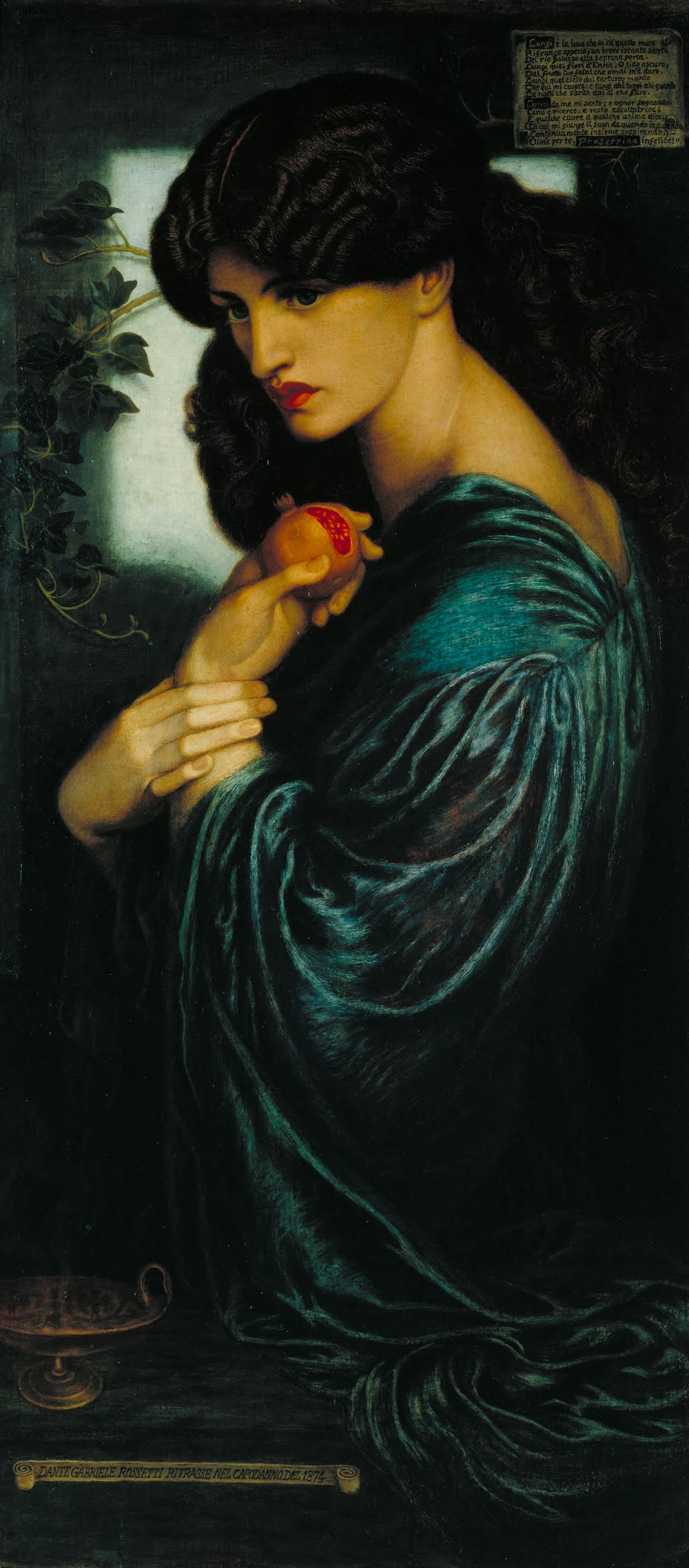 |
| Proserpine - Dante Gabriel Rossetti |
Anyway, for some reason I always find it hilarious when I learn about something from history which seems weirdly relatable to the modern day. The pre-Raphaelites are a perfect example of this. From what i've heard: the pre-Rs were this 'brotherhood' of seven students in their early twenties who thought everything from Raphael (1500s) until them (1848) was substandard, so decided to make up for it themselves- hence the name. Raphael fan fiction, if you will.
At first, I assumed that they were just a bit clueless, but then I saw their work (!!!) and their rejection of other art of their era seemed to me to be immediately justified. The colour! The texture! The form! I honestly do not know how I hadn't recognised them before. Largely, they succeeded in their aim of Raphael-ness.
Their secret clique of seven was headed by Hunt, Millais and Rossetti- the original art hoes (if such a term can be used to describe a 19th Century man) and they signed their paintings with the initials PRB. Their main goals centred around Romanticism (including mythical scenes) and portraying nature accurately- two conflicting ideas that led to a later split into medievalists and realists. Instead of looking for perfection in art, they focused more on depicting the individual.
_-_Google_Art_Project.jpg) |
| Christ in the House of His Parents - John Everett Millais |
Naturally, after insulting the Royal Academy and attempting to reform 400 years of paint and sculpture, the group attracted some criticism. Charles Dickens called Millais' painting 'Christ in the House of His Parents' blasphemous because the Mary was ugly and they looked poor (awkwardly, the girl who modelled as Mary was a relation of Millais...). Personally, Jesus' pout and the outstanding workmanship are enough to make me disagree.
However, the work in the Tate Britain that really won me over was that of Edward Coley Burne-Jones, who was a younger hanger-on inspired by Rossetti. He used more muted tones and decorative elements that seem almost Tudor. In his work he pays close attention to light hitting fabric, and his portrait sketches have a blurry haze- but in a good way.
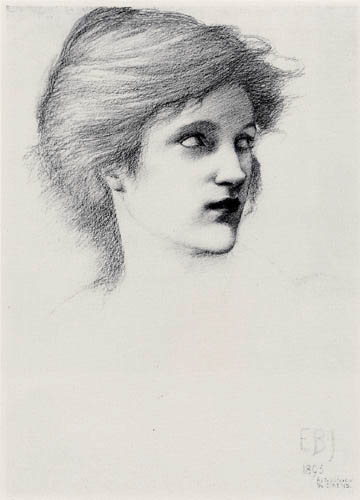 |
| Study of a girl's head - Burne-Jones |
 |
| Wing sketches - Burne-Jones |
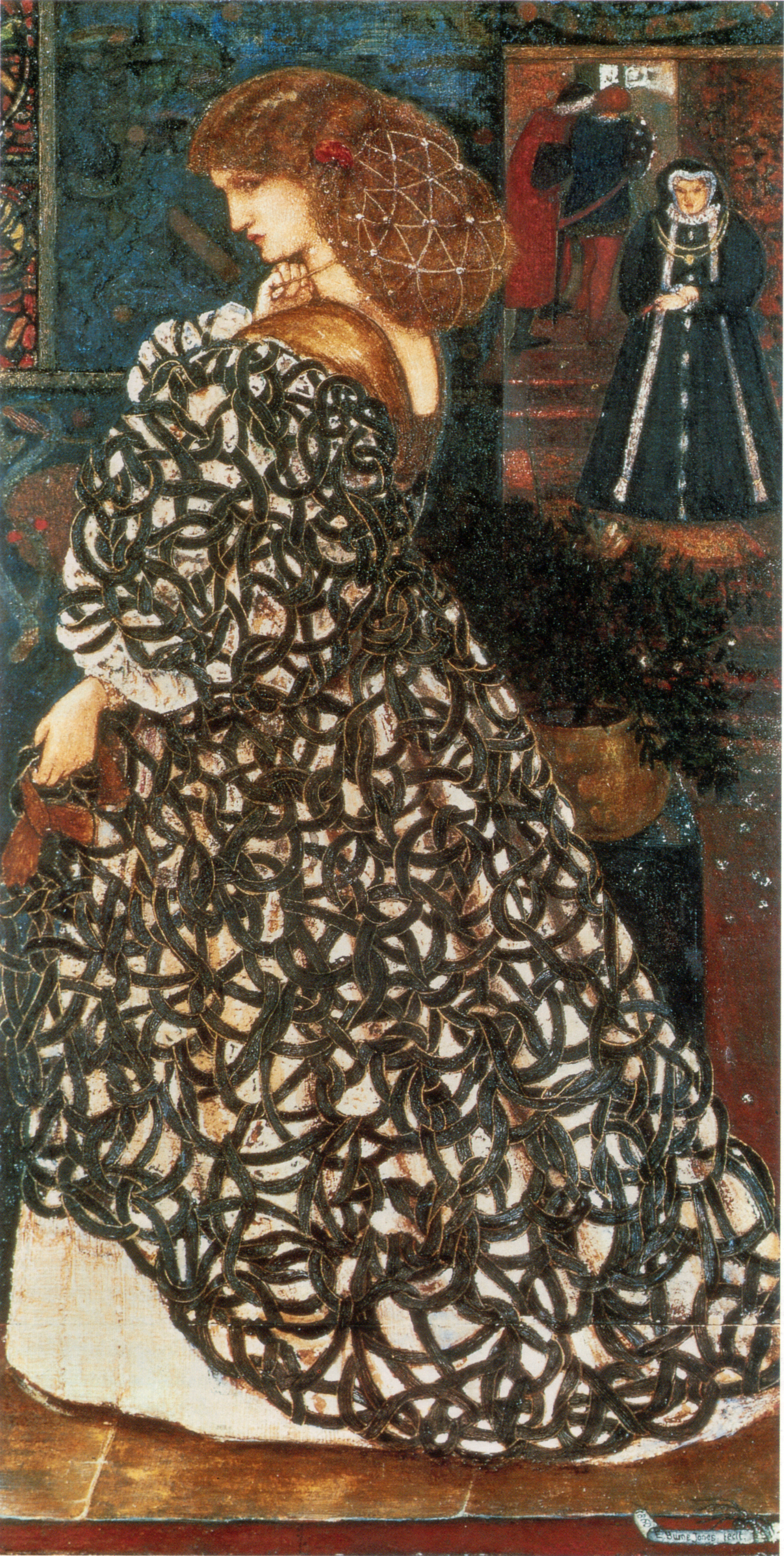 |
| Sidonia - Burne-Jones |
 |
| Desiderium - Burne-Jones |
 |
| Vespertina Quies - Burne-Jones |
 |
| The Golden Stairs - Burne-Jones |
As I said earlier, the pre-Rs are weirdly relevant- not just in their rebellion but also in the way that they recycled something old and created a cult in the process. Nowadays, doing that is almost expected of young people, but it definitely wouldn't have been in the 19th Century.


